







NEWS LIST /NEWS LIST
Comparing Swing Check Valve Benefits and Design Features for Water Systems
author:weitaifluid date:2025-12-04 11:04:44 Hits:93
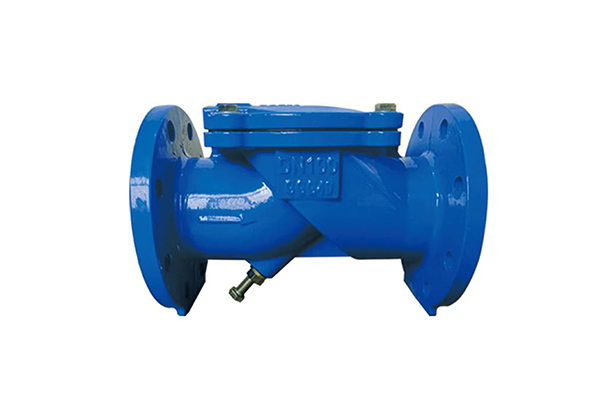
Introduction: The H44X Rubber Disc Check Valve’s tilted design and flexible sealing reduce closing time, debris buildup, and head loss, enhancing pump protection and system reliability.
When water systems suffer from frequent backflow or water hammer, the consequences range from damaged pumps to costly repairs. Operators often wrestle with slow valve closing times, debris buildup causing blockages, and improper installation causing failures. Swing check valve suppliers have developed solutions like the H44X Rubber Disc Check Valve to directly address these challenges. Known for its effective design that minimizes head loss and debris entrapment, this valve type plays a pivotal role in preserving system integrity while promoting ease of maintenance. For professionals seeking reliable valves, understanding these functional advantages becomes essential when working with trusted check valve suppliers.
Tilted valve design for reduced closing time and prevention of debris buildup
The tilted valve design found in many swing check valves significantly improves operational performance by shortening the valve closing time. This design innovation helps avoid the sluggish movement often associated with traditional valves, reducing the risk of water hammer—a phenomenon that can damage pumps and piping systems. Swing check valve suppliers incorporate the tilt design to enable the valve’s rubber flap to react promptly to flow reversals, closing quickly before backflow can occur. Additionally, these valves are engineered to minimize areas where debris can accumulate, addressing common concerns in water supply and drainage systems. By preventing material build-up, the valve maintains smoother water flow and requires less frequent maintenance, enhancing long-term system reliability. This design is particularly suited to horizontal installations where the angle assists both closure speed and debris shedding. When paired with robust materials like rubber reinforced by steel, valves sourced from reputable check valve suppliers offer a combination of swift response and durability that sustains performance under variable flow conditions.
Rubber disc check valve versus other flap check valve types in system efficiency
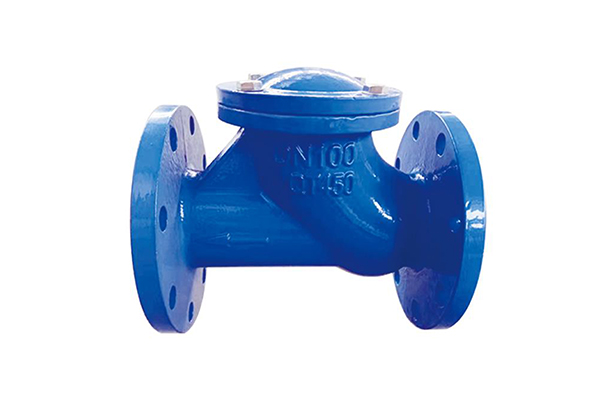
Rubber disc check valves differ from other flap check valve types mainly through their sealing mechanism and material flexibility, impacting overall system efficiency. Unlike rigid metal flaps that might wear quickly or produce higher noise during operation, rubber disc valves employ a flexible elastomer flap reinforced with a steel substrate, allowing a gentler yet secure seal. Swing check valve suppliers favor rubber disc models for their exceptional resistance to corrosion and erosion, which is crucial in water systems exposed to varying water quality. This flexibility also translates to lower head loss because the valve adapts smoothly to flow dynamics, not obstructing the water path unnecessarily. Rubber disc valves protect pumps by effectively minimizing backflow while reducing associated energy waste, making them a popular choice among check valve suppliers for projects prioritizing both performance and sustainability. Their design also contributes to quieter operation, which is often overlooked but valuable in residential and commercial water installations. Such attributes enhance system longevity by mitigating wear and tear and improving overall hydraulic efficiency.
Importance of valve direction and installation practices in pump protection
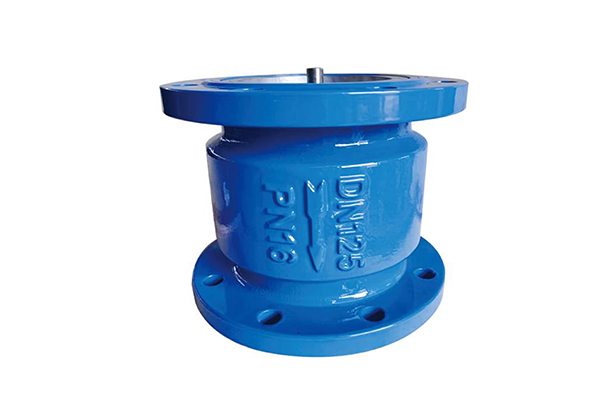
Proper valve orientation and installation practices are critical in ensuring the functional integrity of water systems and the longevity of pumps. Swing check valve suppliers emphasize adherence to the flow arrow marked on the valve body, as incorrect installation can lead to valve malfunction or failure to prevent backflow effectively. The valve’s performance in protecting pumps from damage caused by reverse flow and water hammer relies heavily on perfect alignment with the system’s flow direction. Furthermore, installation standards such as ensuring horizontal placement are tailored to maximize the advantages of the valve’s tilted design and rubber disc features. Neglecting these guidance points often results in increased maintenance needs and unexpected downtime. By following recommended installation protocols, users benefit not only from optimized valve performance but also from reduced risk of mechanical stress and erosion on pump components. Experienced check valve suppliers provide technical support to ensure that system designers and operators understand these nuances, which ultimately safeguards investments in pumping equipment and enhances system reliability.
For water system operators and engineers evaluating check valve suppliers, placing priority on valve design such as the tilted and rubber disc configuration offers visible gains in durability and flow management. Consistent attention to directional installation underlines the importance of detail that preserves pump health. If water systems incorporate these practices and quality valves, ongoing performance supports operational goals while minimizing unexpected maintenance. By integrating valves designed to handle debris efficiently and seal reliably, the system’s overall comfort and assurance in long-term use are elevated—providing a stable foundation for existing infrastructure and future upgrades.
References
1. The Ultimate Guide to Swing Check Valves: Design, Applications & Industry Standards – Comprehensive article discussing swing check valve designs, applications, and industry standards.
2. Check Valve Guide: Types, Benefits & Installation Best Practices – Informative blog post covering various check valve types, their benefits, and best installation practices.
3. Check Valves Product Page – Comprehensive list of check valves offered, detailing various models and their uses.