







NEWS LIST /NEWS LIST
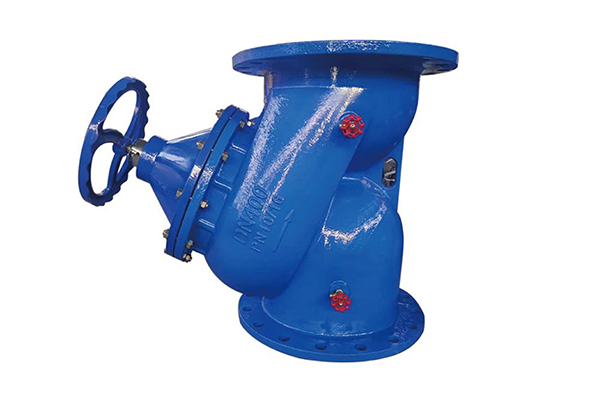
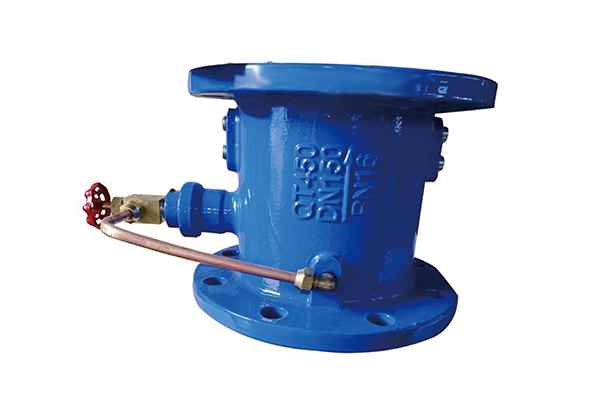
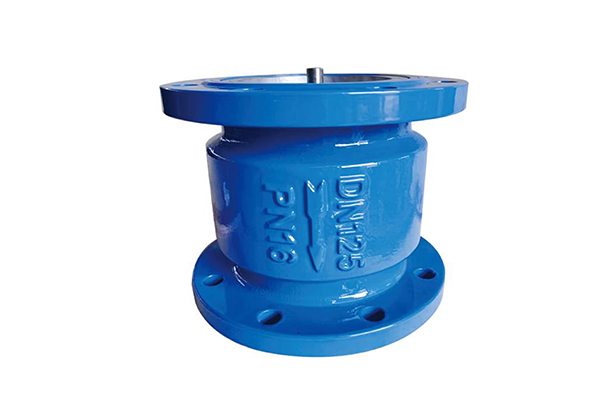
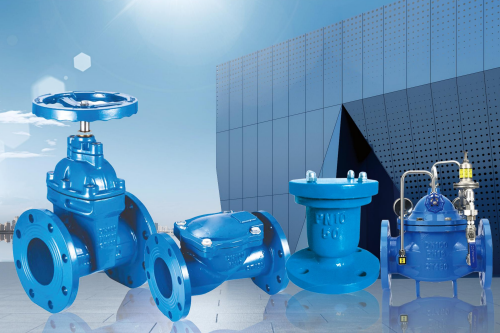
Essential Characteristics of Rubber Check Valves in Drainage and Supply Networks
author:weitaifluid date:2025-12-04 11:03:39 Hits:107
Introduction: Rubber check valves combine durable metal bodies with flexible steel-reinforced rubber flaps to ensure reliable, erosion-resistant sealing and steady flow in drainage and supply systems.
In an industry overwhelmed by countless valve options, selecting the right check valve for water supply and drainage can become a perplexing task. When systems require both efficiency and reliability, the role of check valve suppliers becomes crucial. Among the types, rubber check valves stand out due to their balance of durability and operational precision, especially those recommended by trusted swing check valve suppliers. Identifying quality in these products means understanding their construction, design features, and resilience under harsh conditions—a perspective that helps engineers and managers navigate the crowded market confidently.
Construction details that ensure durability and reliable operation
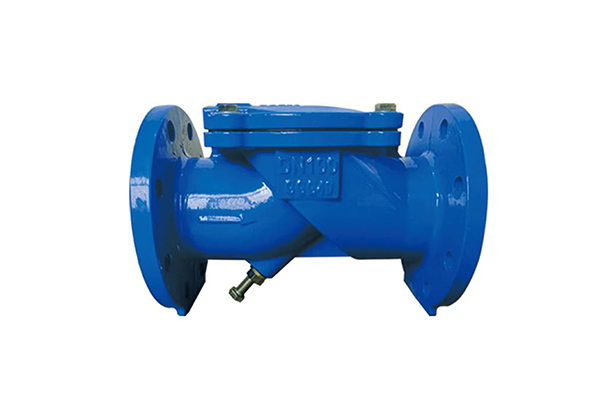
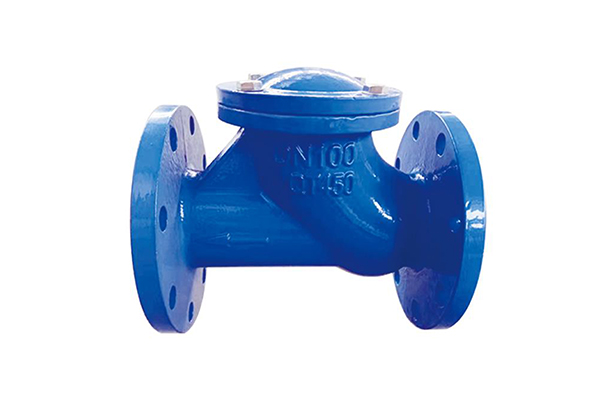
The foundation of any successful rubber check valve lies in its construction, where materials and design converge to ensure long-lasting performance. Typically, the valve body is crafted from robust metals, capable of withstanding the pressures common in drainage and supply networks. Enclosed within is a rubber flap, maintained by a steel plate substrate that lends both flexibility and strength. This combination minimizes head loss during operation and discourages debris accumulation, thereby enhancing flow efficiency. Check valve suppliers emphasize these construction traits to meet rigorous standards since the valve must endure repeated cycles, often in challenging environments. A well-built valve from reputed swing check valve suppliers will also feature secure valve covers that prevent leaks and support easy maintenance. Together, these features foster reliability, limit downtime, and extend service life, assuring infrastructure managers and installers that the valve will consistently perform its function of preventing backflow and protecting pumps without fail.
How swing check valve design helps maintain steady water flow
A key characteristic distinguishing the rubber check valves recommended by swing check valve suppliers is their swing-type mechanism, which utilizes a hinged rubber flap that opens with forward flow and swings closed to block reverse flow. This design is valued for its ability to reduce water hammer—pressure surges caused by sudden changes in fluid momentum—thereby preserving the integrity of pumps and pipelines. The tilting, or swinging, flap closes quickly yet smoothly, avoiding abrupt shutoff noises or shocks in the system. Because the flap aligns with the flow direction and matches the flow arrow marked on the valve body, users installing from reliable check valve suppliers benefit from intuitive setup and consistent performance. Additionally, this mechanism’s simplicity translates to fewer moving parts, which means less wear and easier upkeep. As a result, steady water flow is maintained in horizontal installations common in supply and drainage networks, where the valve's configuration plays a critical role in minimizing operational disruptions and contributing to overall system reliability.
Balancing sealing performance with erosion resistance in harsh environments
Facilities handling water supply and drainage face constant challenges from abrasive particles, corrosive substances, and fluctuating pressures, necessitating valves that resist erosion while maintaining a tight seal. Rubber check valves supplied by trusted check valve suppliers excel in delivering this balance. The rubber flap provides elasticity, improving sealing against reverse flow and preventing leakage that could compromise system efficiency. Simultaneously, the steel plate reinforcement within the flap offers protection against wear, guarding against erosion caused by suspended solids and sediments present in many water systems. This synergy between softness and toughness is critical in harsh environments where sealing alone would fail or bare metal components would degrade too quickly. Swing check valve suppliers often recommend this design since it extends valve life and reduces maintenance frequency. The valve's resistance to water hammer effects complements its sealing and erosion-proof qualities, ensuring a dependable barrier against backflow while enduring demanding conditions over time. Users thus benefit from both operational security and reduced risk of service interruptions due to valve failure.
Advancing water management depends on components that harmonize durability, functionality, and adaptability, qualities well embodied by rubber check valves advised by experienced check valve suppliers. Their thoughtful construction, swing check valve design, and robust sealing stand as assurances against common hydraulic challenges. The thoughtful engineering behind these valves mitigates uncertainty and operational risks in complex networks. Users can rely on their ergonomic design to sustain efficient flow and protect equipment, suited to evolving system demands and environmental stresses. With such adaptability and precision, these valves support ongoing progress in water infrastructure, meeting current needs while remaining prepared to face future conditions with confidence.
References
1. HQ41X Ball Check Valve – Overview of the HQ41X ball check valve, including specifications and usage scenarios.
2. HC41X Silencing Check Valve – Description of the HC41X silencing check valve, focusing on its design and benefits.
3. Backflow-Resistant Rubber Check Valves – Article discussing the features and advantages of rubber check valves in preventing backflow.
4. Rubber Check Valves – Information on rubber check valves, their applications, and benefits in drainage systems.