







NEWS LIST /NEWS LIST
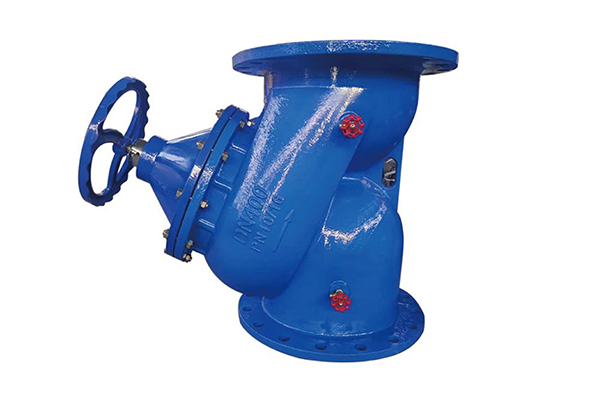
Thermostatic Balancing Valve Benefits for Consistent Heating Systems
author:weitaifluid date:2025-12-23 17:31:23 Hits:142
Introduction: Thermostatic balancing valves automatically regulate flow and temperature between 0-150°C and 20-600 KPa, ensuring consistent heating and energy efficiency during seasonal changes.
As the chill of autumn settles, heating systems find renewed importance in homes and workplaces. During these seasonal transitions, temperature imbalances often emerge, causing discomfort and inefficiency. Thermostatic balancing valves respond to this very challenge by regulating flow and temperature with precision. Balancing valve manufacturers have refined these valves to maintain consistent warmth by compensating for temperature fluctuations automatically. These devices, including those crafted for wholesale balancing valve supply chains, play a crucial role in seasonal comfort and energy conservation by ensuring every radiator or coil receives just the right amount of heat.
Temperature range and pressure limits suited for thermostatic balancing valves
Thermostatic balancing valves must operate reliably across varying temperatures and pressures typical in heating systems, which wholesale balancing valve suppliers recognize as critical specifications. The medium temperature capability, typically from 0 to 150°C, ensures that these valves can handle domestic heating demands without risk of material degradation or operational failure. Pressure differences ranging from 20-600 KPa accommodate diverse system sizes, from smaller residential setups to extensive industrial networks. Balancing valve manufacturers carefully select materials and engineering designs to guarantee precision flow control within these parameters, enabling valves to automatically compensate for pressure fluctuations that otherwise cause uneven heating. By maintaining flow within prescribed limits, these valves prevent local hot spots or cold residues, improving system longevity and occupant comfort through balanced distribution.
Differences between thermostatic and flow balancing valves in system control
Balancing valve manufacturers distinguish thermostatic balancing valves from flow balancing valves primarily by their mode of control and responsiveness. While flow balancing valves manage consistent volumetric flow rates by manual or semi-automatic adjustments, thermostatic balancing valves react dynamically to temperature changes within the heating network. This automatic adjustment capability makes thermostatic valves invaluable in environments where temperatures vary frequently, such as during seasonal shifts or fluctuating occupancy patterns. Wholesale balancing valve providers emphasize that thermostatic valves reduce the need for constant manual recalibration, thereby lowering labor costs and minimizing operator error. By sensing temperature variations directly, these valves modulate flow more precisely, ensuring each branch of the system maintains target temperatures. This reduces overall energy consumption and improves thermal comfort compared to static flow balancing valves, which lack such adaptive responsiveness.
Role of forged copper alloy and cast iron in valve longevity and performance
Material selection plays a pivotal role in the durability and efficiency of thermostatic balancing valves sold by balancing valve manufacturers. Forged copper alloy and cast iron are favored for their robust mechanical properties and resistance to corrosion, which directly influence valve lifespan and consistent operation under heavy use. Copper alloy offers excellent thermal conductivity, which enables rapid temperature detection and valve response, crucial for maintaining balance in dynamic heating systems. Cast iron complements this by delivering structural strength and resistance to wear caused by pressure cycling and fluid dynamics within the valve body. The combination of these materials ensures valves remain stable within the 0 to 150°C range and high-pressure environments without deforming or leaking. Wholesale balancing valve distribution channels often prioritize valves built with these materials due to their proven track record of reducing maintenance needs and improving overall system reliability, making them a dependable choice for diverse heating applications.
Thermostatic balancing valves crafted by experienced balancing valve manufacturers offer consistent and adaptive heating control, essential during seasonal transitions when temperature regulation becomes most critical. Their precise temperature and pressure capabilities, along with thoughtful design distinctions from traditional flow valves, address common system inefficiencies by automatically maintaining balance and comfort. The strategic use of forged copper alloy and cast iron guarantees lasting performance under demanding conditions. For those exploring wholesale balancing valve options, these attributes provide confidence in the valve’s ability to sustain thermal stability and reduce operational complexities as heating needs evolve in the future.
References
1. SP45F Digital Balancing Valve – Digital locking function for precise flow control
2. GL41H Filter – Essential device for pipeline systems to remove granular impurities
3. HQ41X Ball Check Valve – Optimized flow and silent operation for industrial applications
4. Z45T Dark Stem Copper Ball Ink Gate Valve – Effortless fluid control with robust construction
5. J145X Electric Remote Control Valve – Precision control for industrial applications