







NEWS LIST /NEWS LIST
How Rubber Disc Swing Check Valves Keep Water Systems Safe in Extreme Weather
author:weitaifluid date:2026-01-06 14:33:10 Hits:86
When urban planners, municipalities, or industrial operators look for reliable swing check valve suppliers or check valve suppliers for climate-resilient infrastructure, they often focus narrowly on cost or delivery schedules. Yet under the mounting pressures of extreme weather — intensifying storms, heavier rainfall, flash floods — the choice of check valve becomes a critical decision that can mean the difference between a stable drainage system and catastrophic backflow or system failure. This article explains why high-quality rubber disc swing check valves deserve a central role in any climate-adapted water, wastewater, or industrial fluid infrastructure, and how the right valve can help your system survive and thrive under stress.
The Growing Need for Climate-Resilient Fluid Infrastructure
Climate change is amplifying hydrological extremes in many regions: heavy rainfall, urban flooding, flash floods, overwhelmed drainage and wastewater systems. Under such conditions:
· Drainage and sewer networks may face sudden surges in flow rate and pressure.
· Water-supply and wastewater systems risk backflow, contamination, or overflow.
· Pump stations may reverse or surge, causing pressure spikes and damaging equipment.
· Maintenance becomes more difficult; systems must be robust, reliable, and low-maintenance.
In short: infrastructure must be designed not only for “normal conditions,” but for “edge-case weather events.” That’s where check valves come in — but only if you choose the right kind.
How Swing Check Valves Work — and Why They Matter
A swing check valve is one of the most common types of check valves used in water distribution, wastewater systems, industrial fluid systems, HVAC, and other fluid-handling applications.
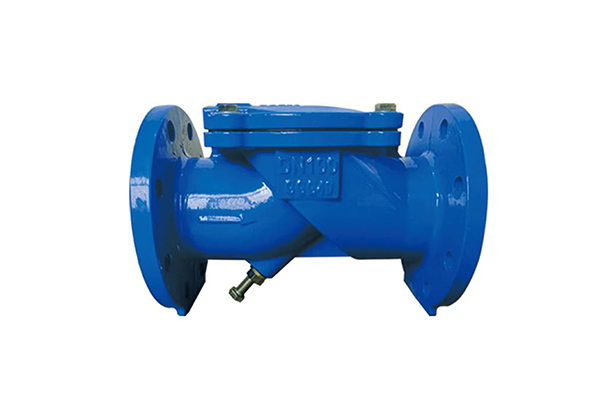
Its core components include a body, a hinged disc (or flapper), a pivot/hinge arm, and a seat. When fluid flows forward, pressure pushes the disc open — the disc swings out of the flow path, allowing an almost unobstructed passage. When flow reverses or stops, gravity (or back-pressure) causes the disc to swing back and seal against the seat, preventing backflow.
Because the valve is automatic and requires no external power or human intervention, it is ideal for large-scale, distributed systems — especially in remote or hard-to-maintain infrastructure.
Rubber Disc Swing Check Valve: What Sets It Apart
While many swing check valves are purely metal, a rubber-disc (soft-seated) swing check valve offers significant advantages that align especially well with the demands of climate-adaptive infrastructure:
· Improved sealing: The rubber disc seat provides tighter sealing than metal seats, reducing the risk of leaks or seepage when flow reverses — crucial when preventing contaminated wastewater backflow into clean water systems or infiltration into pump stations.
· Tolerance for fluid variability: Systems under flood or storm conditions often carry silt, debris, or variable water quality. Soft-seated valves are more forgiving under these conditions than some rigid-seated valves.
· Lower pressure loss: When open, the valve offers a full-bore or near–full-port flow path, minimizing head loss and energy usage. That means pumps need to work less hard — critical when systems are under stress or operating on backup power.
· Durability and reliability: With fewer moving parts (disc + hinge), and the forgiving nature of the soft seat, rubber-disc swing check valves often require less frequent maintenance and can withstand prolonged service — a big plus for infrastructure that must remain operational under unpredictable weather.
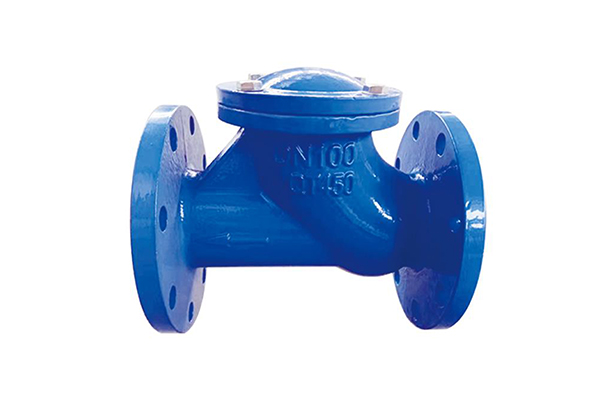
For a manufacturer like Weitai offering high-quality rubber-disc check valves (e.g., models like H44X (SFCV) Rubber Disc Check Valve), these traits make the product well suited to systems built for climate resilience.
Where Rubber Disc Swing Check Valves Make the Biggest Difference
1. Urban Drainage & Flood-Control Systems
During intense rainfall or storm events, drainage systems are often overwhelmed. A robust swing check valve — with good sealing and soft seat — at key nodes can prevent floodwater or contaminated sewer water from backflowing into clean pipelines, pump stations, or residential supply lines.
Because of its full-flow design and minimal head loss, such a valve helps drain stormwater quickly — preventing pooling and reducing flood risk.
2. Water Supply and Distribution Networks
In disrupted supply conditions (e.g., pump shutdowns, brownouts, emergency shut-off), reverse flow can occur. A well-specified swing check valve ensures safe, one-directional flow, avoiding contamination or system imbalance.
For municipalities aiming to guarantee safe drinking water even under extreme weather, this reliability is crucial.
3. Wastewater and Sewage Treatment Systems
Surging inflows during storms can overwhelm sewage plants or pump stations. Rubber-disc swing check valves can block reverse flow, prevent overflow, and protect the treatment infrastructure from backflow-induced damage.
Their ability to handle variable water quality — including debris, silt, and suspended solids — adds resilience during high-stress situations.
4. Industrial and Infrastructure Facilities
Factories, power plants, and industrial processing facilities often rely on fluid transport systems (cooling water, process water, drainage). Under climate-induced stress — for example, supply interruptions or emergency shutdowns — reverse flow or pump surges may occur.
Using reliable check valves reduces risk of equipment damage, contamination, or downtime.
5. Energy Consumption and Sustainability
Because a well-designed swing check valve minimizes flow resistance when open, pumps and motors consume less energy — a critical advantage in large-scale infrastructure seeking operational efficiency and lower carbon footprint.
When multiplied across city-wide water/supply systems, energy savings become significant.
Learning from Industrial Practice: Design Lessons from the Field
A recent article on Medium, Identifying Key Features of Swing Check Valves for Industrial Water Applications, highlights several design and performance factors that separate high-quality valves from basic ones. It points out aspects like disc seating design, waterway configuration (full port vs. reduced port), and sealing material as decisive for long-term reliability and leak prevention.
Another industry-focused write-up, Choosing Between Rubber Check Valve Models for Enhanced Pipeline Safety, emphasizes how rubber-seated valves offer improved safety margins in systems handling variable media, abrasive fluids, or fluctuating pressure — common under industrial and environmental stress conditions.
These analyses confirm what experienced engineers know: under real-world stress — whether from heavy debris load, pressure surges, or variable flow — soft-seat, full-port swing check valves outperform cheaper, metal-seat alternatives not only in reliability but in protecting the entire pipeline network.
Practical Design Considerations for Climate-Adapted Systems
When specifying swing check valves for infrastructure intended to endure extreme weather and environmental stress, engineers should pay close attention to:
· Valve seat material: Opt for rubber or other elastomeric seats for systems subject to variable water quality or potential pollutants.
· Full-port (full waterway) design: Ensures minimal head loss, promotes efficient flow during high volume discharge (e.g., storm runoff).
· Installation orientation & layout: Swing check valves perform best in horizontal pipelines; design systems accordingly.
· Adequate upstream straight pipe length: To avoid turbulence that can cause disc flutter or unreliable sealing.
· Maintenance access and inspection schedule: While rubber-disc valves are low-maintenance, periodic inspection helps catch wear, buildup, or seating degradation early.
· Sizing and rating for peak flow and pressure surges: System designers should plan for worst-case flow and pressure — not just normal operation — especially in areas prone to flooding or surges.
FAQ
What’s the difference between a rubber-disc swing check valve and a standard (metal-seat) swing check valve?
A rubber-disc valve uses an elastomeric seat or sealing disc. That provides tighter sealing, better leak prevention, and greater tolerance for debris or variable fluid quality. Standard metal-seat swing check valves may leak under low-pressure reverse flow or degrade faster under harsh media.
Can swing check valves handle debris or solids in stormwater / sewage systems?
Yes — especially rubber-disc swing check valves. The soft seat and full-port design make them more tolerant of variable water quality and suspended solids than some rigid-seat valves or other check valve types.
Are swing check valves suitable for high-pressure or high-temperature systems?
Traditional swing check valves (especially metal-seated) can be used in higher-pressure or temperature systems, but closing speed, water hammer, and flow dynamics must be carefully designed. For many water, wastewater, and stormwater applications, rubber-disc check valves strike the right balance between reliability and sealing.
How does a full-port (full waterway) design benefit climate-resilient systems?
Full-port design ensures that the internal flow area of the valve matches the pipe diameter, avoiding constriction or increased head loss. Under conditions like heavy rainfall or surge flow, this allows maximal throughput, reducing flood risk and enabling efficient drainage.
Does using a swing check valve eliminate maintenance requirements?
No — but it reduces maintenance demands compared to more complex valves. Regular visual inspection (for wear, debris buildup, seat degradation) is still recommended, especially in systems exposed to variable fluid quality or heavy usage.
Conclusion
As cities, industries, and utilities around the world respond to the growing threat of extreme weather and climate-driven hydrological stress, it’s time to elevate what we consider “critical infrastructure.” A simple component like a swing check valve becomes far more than a pipeline accessory — it’s a silent guardian of system integrity, water quality, safety, and resilience.
For projects aiming at long-term reliability, low maintenance, energy efficiency, and robust performance under unpredictable conditions, rubber-disc swing check valves represent a smart, future-proof investment.
For those evaluating suppliers — whether municipal water systems, wastewater plants, industrial facilities, or infrastructure developers — choosing a manufacturer with proven quality and durable materials is essential. That’s why discerning buyers turn to suppliers like Weitai for their check valve needs — building infrastructure that stands up to today's climate challenges and tomorrow’s uncertainties.
References
· Identifying Key Features of Swing Check Valves for Industrial Water Applications. Medium. https://medium.com/@groverduncan2391991ebn/identifying-key-features-of-swing-check-valves-for-industrial-water-applications-def97345932d
· Choosing Between Rubber Check Valve Models for Enhanced Pipeline Safety. FJ Industry Intel Blog. https://blog.fjindustryintel.com/choosing-between-rubber-check-valve-models-for-enhanced-pipeline-safety-5daed9d09fbe
· Understanding Swing Check Valves (white paper). McWanePI. https://www.mcwanepi.com/upl/downloads/catalog/products/mpi/documents/white-paper-understanding-swing-check-valves.pdf (MPI Company)
· Check Valve Types and Applications. Valveman blog. https://valveman.com/blog/check-valve-types-and-applications/ (valveman.com)
· Weitai-RUBBER DISC CHECK VALVE:https://www.weitaifluid.com/check_valve/h44x-(sfcv)-rubber-disc-check-valve.html