

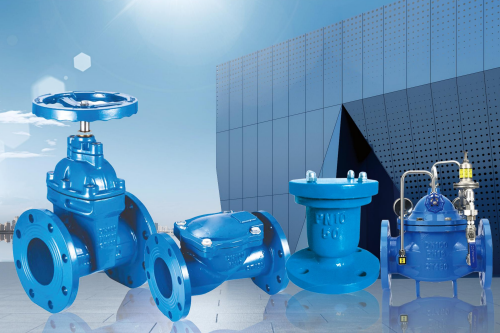






Introduction: Pressure problems in a municipal water supply network change as water moves from pump discharge through transmission mains to distribution branches.
At the pump station, sudden starts and stops create transient pressure spikes. On a transmission main, long pipe runs and elevation changes produce larger steady pressure differences. At distribution branches, normal changes in consumer demand make pressure readings drift. Each condition places a different demand on a bypass valve, so the pressure-sensitive section of the network needs to be identified before the valve is selected.
Why Pressure Fluctuation at Pump Discharge, Transmission Mains, and Branch Lines Matters in Municipal Water Supply
Pump discharge is where sudden energy changes are most visible. When a duty pump starts, discharge pressure rises quickly and the station header can overshoot before the system settles. When the pump stops or a downstream control valve closes suddenly, that energy needs a controlled path. If no bypass or pressure-relieving path exists, fittings, check valves, and adjacent piping absorb the shock. The situation changes along a transmission main. Long pipe runs, elevation differences, and friction losses create large pressure differences at regulation points. A fast valve closure or a sharp drop in demand can cause the differential pressure to swing. That swing stresses the main and often produces noise at the regulating station. Distribution branches present a different pattern. Flow changes as consumers open and close outlets, and branch valves are repositioned throughout the day. Pressure readings tend to drift most during low-flow hours. These are less dramatic than pump-station transients, but they are the cause of many day-to-day pressure complaints. These differences matter because high differential pressure does more than affect a gauge reading. When a large pressure difference forces flow through a small opening, localized vapor can form and then collapse, creating noise and gradually eroding internal surfaces. This is one reason pressure-regulating and control valves are an established part of municipal water utility design standards. An engineer evaluating bypass options therefore needs to identify whether the real condition is transient overpressure at a station, a steady differential pressure across a throttled main, or slow pressure drift on a distribution branch.
What an 800X Differential Pressure Bypass Balance Valve Can Do When a Supply Bypass Circuit Needs Stable Differential Pressure
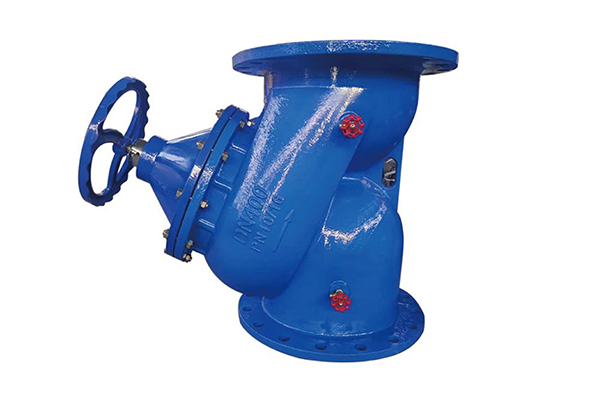
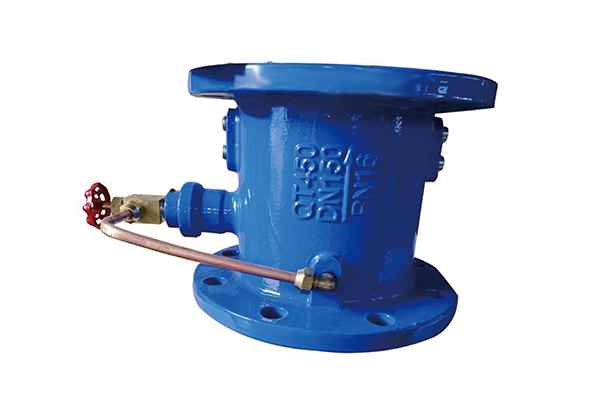
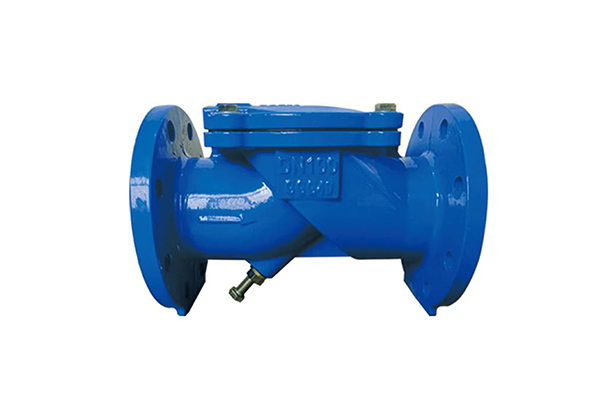
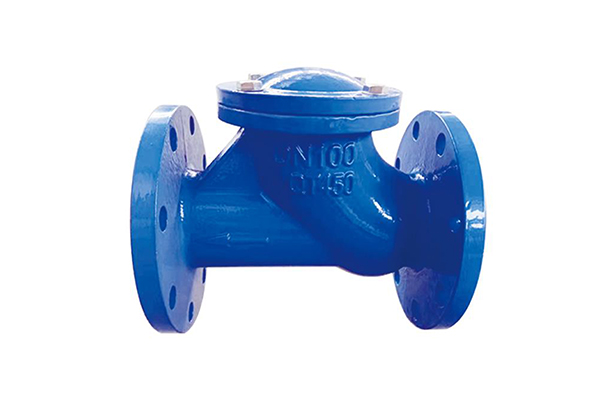
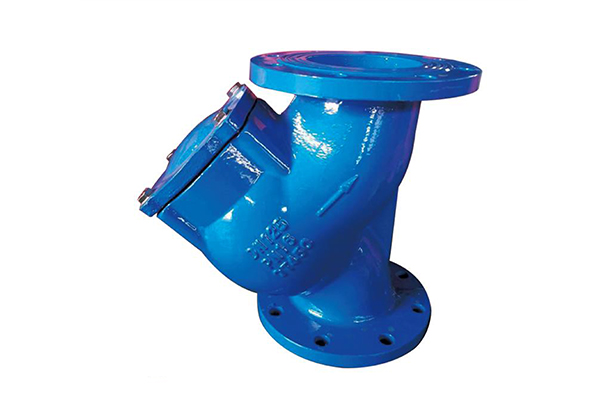
Once the unstable section is identified, the relevant question is whether a bypass circuit can hold the differential pressure at a more stable value. The 800X differential pressure bypass balance valve is used in municipal water supply systems for this type of pressure regulation. It is a self-actuated valve: the force that operates it comes from the pressure difference of the water itself, not from an external electric supply or electric actuator. In a typical bypass arrangement, the valve sits between a higher-pressure point and a lower-pressure side in the same network. When the pressure difference between those points rises above the set value, the 800X opens the bypass path and allows water to move to the lower-pressure side, reducing the difference. When the pressure difference falls back toward the setpoint, the bypass returns to its normal operating position. No external controller has to send a command; the water pressure does the work. This self-actuating design is practical in municipal locations where adding a separate power supply would be difficult, such as pump stations, valve vaults, and unattended control chambers. The 800X functions include maintaining constant differential pressure, absorbing the impact of pressure fluctuations, and reducing operating noise. Those are the symptoms that tend to generate complaints in a supply network. In addition, the control unit allows the site crew to set and read the differential pressure directly, so a technician can verify the setting during a routine visit without portable instrumentation. The 800X is made to order and customized to any size, so each unit can be supplied as a custom differential pressure bypass balance valve matched to the piping and operating conditions of the project. It is not forced to fit a generic catalog configuration.
How a Municipal Water Engineering Team Should Organize Project Conditions for a Made-to-Order 800X Inquiry
The most useful 800X inquiry is a concise technical description, not a price request. The factory needs enough detail to confirm whether the valve fits the application before discussing configuration. The four items below give that starting point.
Map the pressure-sensitive section. On a network sketch or P&ID extract, mark the two points between which the differential pressure must remain stable. For example, the section may be upstream and downstream of a pressure-control station or across a location where the utility already records pressure complaints. This tells the differential pressure bypass balance valve manufacturer whether the 800X is being considered for pump discharge, a transmission main control point, or a distribution branch.
Identify when pressure fluctuation occurs. Look for a pattern in the pressure records. The swing may happen during pump start-up or shutdown, at night when demand and flow are low, after a control valve closes, or continuously during peak hours. That pattern tells the factory whether the bypass must handle a transient impact or hold a steady differential pressure through normal demand changes.
Collect piping and operating data that define the connection. The factory needs pipe size, flange standard and pressure rating, available space for the bypass line, normal operating pressure at the point of interest, and an estimate of flow through the bypass when it opens. Since the 800X can be manufactured in any size, missing these details forces the factory to respond in general terms.
Confirm set-point and readout expectations. State the differential pressure the utility intends to hold, as well as the high and low limits that are acceptable during rapid changes. Because the control unit supports direct setting and reading of differential pressure, the differential pressure bypass balance valve supplier can then verify that the internal configuration of the made-to-order 800X matches the operating range required at the site.
If the site team does not yet have a complete set of values, an approximate sketch with pipe sizes, valve positions, and a few pressure readings is still enough to begin. The aim is to ensure the 800X is evaluated for a specific hydraulic condition rather than treated as a commodity valve.
Conclusion
Municipal pressure management is a series of location-specific decisions. At pump discharge, a self-actuated bypass can give transient overpressure a controlled path. Along transmission mains, holding a stable differential pressure reduces the impact of swings and the noise that often accompanies high pressure differences. At distribution branches, steady control makes daily operation more predictable. The 800X supports these conditions with self-operated control, a readable and adjustable differential pressure setpoint, constant differential pressure regulation, and made-to-order sizing. Include a network sketch and the four data points above in an inquiry to the factory, and ask the manufacturer to confirm the appropriate configuration and control range for the bypass location under review.
FAQ
Q:How does an 800X differential pressure bypass balance valve support pressure regulation in a municipal water supply network?
A:The 800X is a self-actuated differential pressure bypass balance valve used in municipal water supply pressure regulation. When installed in a bypass circuit, it reacts to the pressure difference of the water itself. If the pressure difference between the controlled points rises, the valve opens the bypass path and lets water flow to the lower-pressure side. This helps maintain stable differential pressure, absorb the impact of fluctuations, and reduce the operating noise that can accompany high pressure differences in a network.
Q:Does an 800X bypass balance valve need external electric power when maintaining differential pressure?
A:No. The 800X is driven by the pressure difference of the medium itself and does not need external electric power or an electric actuator. This makes it practical in municipal pump stations, valve chambers, and other locations where adding a power supply for an actuator would be costly or inconvenient. The valve responds directly to changes in water pressure rather than waiting for a signal from an external controller.
Q:What piping and operating information helps a municipal water engineer confirm a made-to-order 800X valve?
A:A municipal water engineer should provide a network sketch showing the pressure-sensitive section, a description of when pressure fluctuation occurs, pipe size, flange standard and pressure rating, normal operating pressures, available space for the bypass, and the desired differential pressure setpoint with acceptable high and low limits. Because the 800X is made to order and customized to any size, the factory can use this information to confirm the valve configuration, connection arrangement, and control range before recommending a unit.
Sources / References
Cavitation - Engineering ToolBox
Related Examples
Weitai 800X Differential Pressure Bypass Balance Valve product information